
Rejection Sensitive Dysphoria (RSD) and ADHD: Why Small Things Hurt So Much
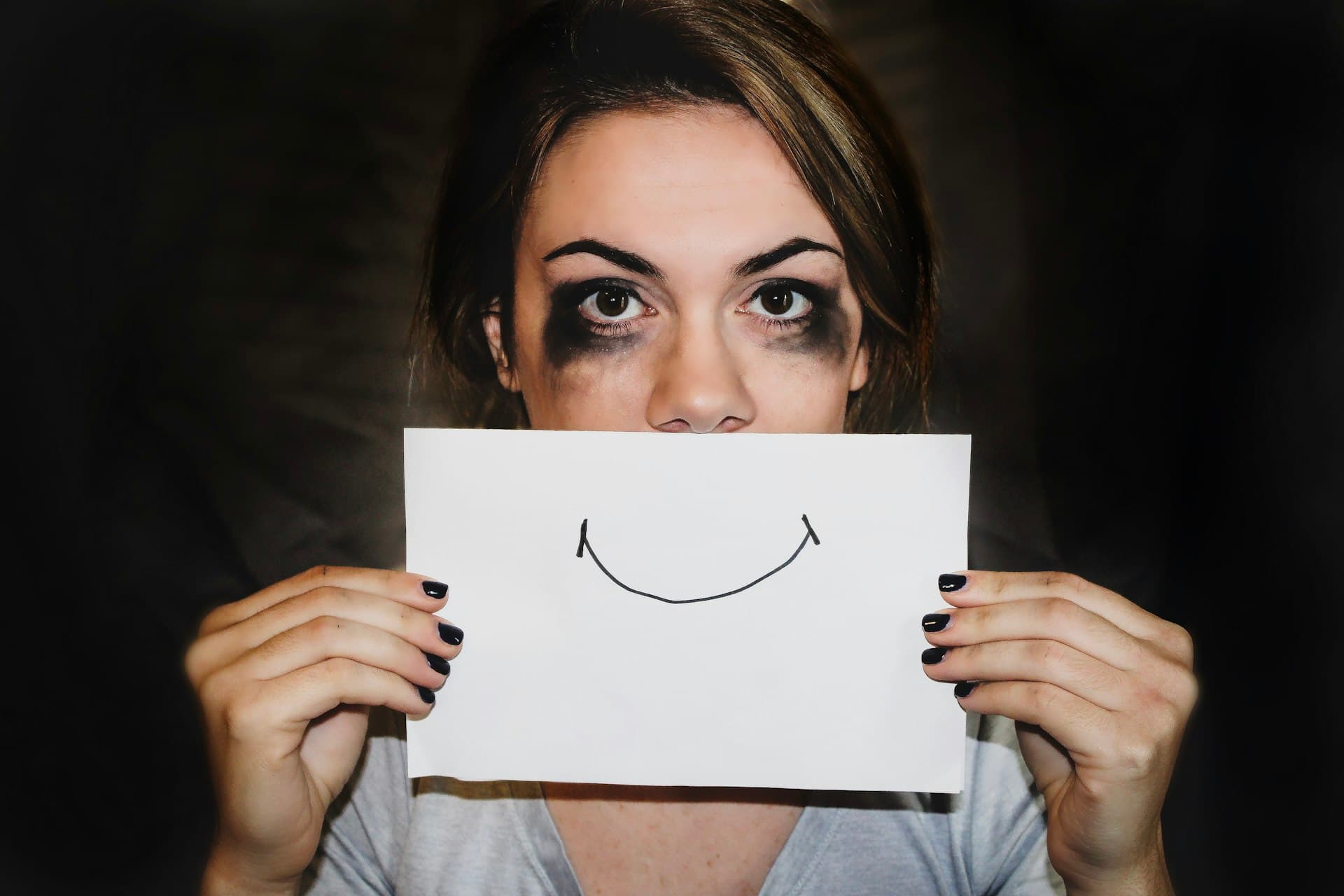
Rejection Sensitive Dysphoria affects up to 99% of adults with ADHD, yet most have never heard of it. Learn why everyday criticism can feel devastating and discover proven strategies to manage the emotional pain of RSD.
What Is Rejection Sensitive Dysphoria?
Rejection Sensitive Dysphoria — often shortened to RSD — describes an intense emotional response to perceived or actual rejection, criticism, or failure. It is not simply feeling hurt when someone says something unkind. It is a sudden, overwhelming flood of emotional pain that can feel physical, as though you have been punched in the stomach. It arrives in seconds, often before your rational brain has had a chance to evaluate whether the perceived rejection is real.
The term was coined by Dr William Dodson, a psychiatrist who has spent decades specialising in ADHD. While RSD is not an official diagnostic category in the DSM-5 or ICD-11, it is widely recognised among ADHD specialists as one of the most common and debilitating aspects of the condition. Research suggests that up to 99% of adults with ADHD experience rejection sensitivity to some degree, though severity varies widely.
If you have ADHD and have ever felt devastated by a casual comment, spiralled after a mildly critical email, or spent hours replaying a social interaction trying to work out if you said something wrong, you are likely experiencing RSD. And you are far from alone.
Why Does RSD Happen in ADHD?
The ADHD brain processes emotions differently. Specifically, difficulties with emotional regulation — which are now understood to be a core feature of ADHD rather than a secondary effect — mean that emotional responses are often more intense, arrive more quickly, and are harder to moderate than in neurotypical individuals.
Dopamine plays a central role. In the ADHD brain, dopamine signalling is impaired, which affects the prefrontal cortex — the region responsible for regulating emotional responses, evaluating social situations, and applying rational perspective to emotional events. When the prefrontal cortex is under-functioning, the emotional brain (the amygdala) runs the show. Small slights trigger the same fight-or-flight response as a genuine threat.
There is also a cumulative effect. Many people with ADHD — particularly those who were not diagnosed in childhood — have spent years receiving more criticism, correction, and negative feedback than their peers. By the time they reach adulthood, they have been primed by experience to expect rejection, which makes them hypervigilant to any hint of it.
How RSD Shows Up in Daily Life
RSD can manifest in different ways depending on the person. Some people with RSD respond outwardly — with anger, tears, or defensive behaviour. Others respond inwardly — with intense self-criticism, shame, and withdrawal. Some alternate between the two.
Common Patterns
- Becoming instantly devastated by a neutral or mildly critical comment
- Interpreting ambiguous social cues as negative (e.g., assuming someone's short reply means they are angry)
- Avoiding applying for jobs, promotions, or opportunities for fear of being rejected
- People-pleasing to an extreme degree to prevent anyone from criticising or disliking you
- Replaying conversations for hours or days, analysing every word for hidden meaning
- Feeling physically ill (chest tightness, stomach pain, nausea) in response to perceived rejection
- Withdrawing from social situations or ending relationships preemptively to avoid being hurt
- Perfectionism driven not by ambition but by terror of making a mistake and being judged
- Sudden anger or tearfulness that seems disproportionate to the situation
RSD vs Anxiety vs Social Anxiety
RSD is frequently confused with generalised anxiety or social anxiety disorder, and many people with RSD have been misdiagnosed with one or both. While there is overlap, there are key differences.
Anxiety tends to be a persistent, ongoing state of worry that builds gradually. RSD is typically an acute, sudden emotional response that is triggered by a specific event. The intensity of RSD is often out of proportion to the trigger, and it can resolve relatively quickly once the person has had time to process — only to return instantly the next time something triggers it.
Social anxiety involves a broad fear of social situations and being judged. RSD is more specifically focused on rejection and criticism. Someone with RSD may be perfectly comfortable in social situations as long as they feel accepted but can be emotionally floored by a single comment. For more on how ADHD and anxiety interact, see our article on ADHD and anxiety.
The Impact on Relationships and Work
RSD can cause significant problems in both personal and professional relationships. Partners may feel they have to walk on eggshells, never sure which comment will trigger an intense reaction. Colleagues may find it difficult to give constructive feedback. The person with RSD may avoid conflict at all costs, or they may become defensive and argumentative when they feel criticised.
In the workplace, RSD can lead to avoidance of tasks where failure is possible, reluctance to contribute ideas in meetings, extreme distress after performance reviews, and even leaving jobs after a negative interaction. If this resonates, our guide on ADHD at work offers practical strategies for managing these challenges.
Strategies for Managing RSD
While RSD cannot be cured, it can be managed. A combination of approaches tends to work best.
1. Medication
ADHD stimulant medications (methylphenidate and lisdexamfetamine) can reduce RSD for some people by improving prefrontal cortex function and dopamine regulation. Some specialists also use alpha-2 agonists like guanfacine or clonidine, which have been shown to reduce emotional reactivity. Medication is not a complete solution for RSD, but it can take the edge off the intensity.
2. Cognitive Behavioural Therapy (CBT)
CBT adapted for ADHD can help you develop awareness of your RSD triggers, challenge catastrophic interpretations, and build more balanced responses. The goal is not to stop feeling the emotion but to create a gap between the trigger and your response so you can choose how to react.
3. Self-Awareness and Communication
Simply knowing that RSD exists and is part of your ADHD can be transformative. When you can identify an RSD response as it is happening — "This is my RSD, not objective reality" — you create a small but powerful buffer. Communicating about RSD with your partner, friends, and colleagues can also help them understand your reactions and respond with more patience.
4. The Pause Technique
When you feel the initial wave of RSD, try to delay your response. Tell yourself you will revisit the situation in an hour, or after a walk, or after a night's sleep. RSD is most powerful in the first few minutes. If you can ride out the initial surge, you will often find that the situation looks very different once the emotion has subsided.
Getting the Right Support
If you suspect that rejection sensitivity is affecting your quality of life and you have not yet been assessed for ADHD, it may be worth exploring whether ADHD is an underlying factor. Our free ADHD screener can give you an initial indication, and you can book an assessment with Clearmind to get a comprehensive evaluation from a specialist who understands the emotional side of ADHD — not just the attention and focus aspects.
Think you might have ADHD?
Get assessed by a specialist psychiatrist in as little as 2 weeks. No GP referral needed.
Book your assessment